Relocating to Bali has become increasingly popular, and for good reason. This beautiful island in Indonesia offers an incredible mix of rich culture, stunning landscapes, and a relaxed lifestyle that appeals to expats, digital nomads, and retirees alike. Whether you’re looking for a fresh start, a change of pace, or the ideal spot to live and work remotely, moving to Bali provides many opportunities. This guide will walk you through everything you need to know about moving to Bali in 2024, from the best areas to live to the cost of living, visa options, and practical advice to help you settle in smoothly.

Why Move to Bali?
Bali is known for its relaxed, welcoming atmosphere, but there are many other reasons why people choose to move here. In addition to its natural beauty, Bali offers an affordable cost of living, a strong expat and digital nomad community, and access to modern amenities, all while maintaining its unique charm.
Lifestyle and Quality of Life
When you think about how to move to Bali, lifestyle is probably one of the first things that comes to mind. Life on this island feels different—there’s a slower pace, a strong sense of community, and a focus on spiritual well-being. The Balinese people are deeply connected to their traditions, and this is reflected in the many ceremonies, rituals, and festivals that take place throughout the year. You’ll notice temples scattered across the island, and you’ll often encounter locals making offerings at shrines.

Balinese culture isn’t just about religion—it’s about living harmoniously with others and with nature. You’ll quickly find that Bali’s laid-back atmosphere encourages you to slow down and enjoy life more fully. Whether you’re relishing a quiet coffee in a local spot, centering yourself through yoga in Ubud, or taking in the beauty of a beach sunset, Bali gives you the space to relax and focus on the things that truly matter.
Nature and Outdoor Activities
For nature lovers, Bali is a paradise. The island boasts some of the most beautiful landscapes in the world, from pristine beaches and crystal-clear waters to lush jungles and terraced rice paddies. There’s no shortage of outdoor activities to enjoy. Whether you prefer surfing, hiking, snorkeling, or simply lounging by the sea, Bali has it all.
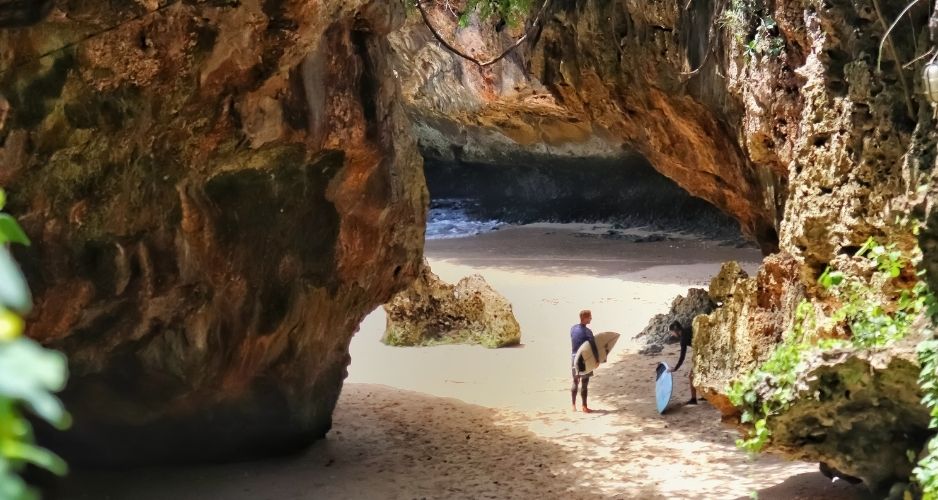
If you love the ocean, you’ll find some of the best surf spots in the world here, particularly around Uluwatu. But surfing isn’t the only water activity—Bali is also home to fantastic diving and snorkeling sites where you can explore vibrant coral reefs and marine life. Inland, you’ll find waterfalls, volcanoes, and rice terraces that are perfect for trekking or simply taking in the breathtaking scenery.
The Expat and Digital Nomad Community
Moving to Bali is an attractive option for expats and digital nomads due to its welcoming and diverse community. Over the years, Bali has built a strong network of expats, freelancers, and entrepreneurs who have made the island their home. Whether you’re coming to Bali to work remotely or start a new business, you’ll find plenty of support from the local expat community.

In areas like Canggu and Ubud, you’ll find coworking spaces where you can meet other digital nomads and remote workers. These spaces offer reliable internet and a comfortable environment for productivity, which makes living in Bali and working remotely an easy transition. The sense of community in Bali is one of its strongest draws—you’ll quickly make new friends, both among the expat crowd and the friendly locals.
Best Places to Live in Bali
With several diverse areas to choose from, finding the best place to live in Bali depends on your lifestyle preferences and needs. Let's start by exploring Canggu, a trendy hotspot for those looking to balance work and leisure.
Canggu
Canggu is a vibrant area that has become a hub for digital nomads, surfers, and young professionals. It’s known for its trendy vibe, offering a great mix of cafes, coworking spaces, and beach clubs. If you’re looking for a place where you can work during the day and socialize or surf in the evenings, Canggu might be your best bet. The cost of living here can vary depending on the type of accommodation you choose, but overall, it remains an affordable option for many.

Discover the unique Cocoon Villa in Bali’s Canggu district, designed for those who value privacy and tranquility. Tucked among the jungle trees, this villa is an excellent choice for both investors and those seeking a peaceful retreat. Its smooth, organic design and environmentally conscious materials allow the Cocoon Villa to blend seamlessly with its natural surroundings. Priced at $207,900, this property offers strong rental potential with an estimated annual revenue of $65,700 and a net income of $29,565. Don’t miss out on this opportunity!
Ubud
Ubud is often considered the cultural heart of Bali. It’s well-known for its focus on wellness, spirituality, and creativity. A lot of people move to Bali seeking refuge from the busy coastal areas, choosing instead to embrace a calm, mindful lifestyle. Ubud is home to yoga retreats, meditation centers, and abundant ways to connect with nature, while also being renowned for its rich art scene with galleries and craft markets. Living in Bali offers a slower pace of life, making it perfect for those who want to focus on their well-being while still being connected to a vibrant community.

Bali offers unique investment opportunities in real estate, especially in the scenic area of Ubud. We present three luxurious villas for sale, with prices starting at $170,000. Each villa is set among picturesque rice terraces and tropical jungles, offering a peaceful haven. Bali’s growing tourism and rental market means property values are climbing by 20-30% yearly, with potential returns of 12-15%. These villas are ideal for both personal use and investment, offering solid rental income and strong resale potential. Contact us to learn more!
Seminyak
For those looking for a more upscale lifestyle, Seminyak is one of the best places to consider. Known for its luxurious villas, high-end dining, and vibrant nightlife, Seminyak offers a more polished experience compared to some other areas of Bali. The cost of living here is higher, but it comes with access to some of Bali’s best restaurants, bars, and shops. Seminyak is also home to a large number of expats, making it easier to integrate into the community.
Sanur
Sanur is a quieter, more relaxed option for those who want to avoid the crowds of areas like Seminyak and Canggu. It’s a family-friendly area with a good mix of local charm and modern amenities. Sanur has a peaceful beachfront, and while it’s not as well-known for its nightlife, it’s a great place for those looking to settle down in a calmer environment.
Uluwatu
Uluwatu is a surfer’s paradise, offering stunning coastal views and some of the best surf breaks in the world. The vibe in Uluwatu is more relaxed than in areas like Canggu, making it perfect for those who want a slower, beach-centric lifestyle. It’s also known for its dramatic cliffs and temples, making it a popular spot for both tourists and expats alike.

Take a look at average prices for Bali real estate in different areas in 2024/
Cost of Living in Bali in 2024
Bali is known for being an affordable place to live, especially for Westerners. The cost of living in Bali can vary depending on your lifestyle, but overall, it’s much lower than in most Western countries. Here’s a breakdown of the typical cost of living expenses in Bali:
| Category | Cost Range (Monthly) |
|---|---|
| Housing | $300 – $1,500 (Villas, Apartments, Homestays) |
| Food and Dining | $100 – $600 (Local warungs vs. upscale restaurants) |
| Transportation | $60 – $150 (Scooter rental, taxis, local transport) |
| Utilities and Internet | $50 – $100 (Electricity, water, high-speed internet) |
| Health and Insurance | $50 – $200 (Health care and medical insurance) |
Housing is one of the largest expenses in Bali, but you’ll find that even luxury villas can be rented at a fraction of the price compared to Western countries. For those on a budget, there are plenty of affordable homestays and guesthouses. Eating out in Bali is also inexpensive, especially if you stick to local warungs, where you can get a meal for as little as $2.

Take advantage of the booming real estate market in Bali with budget-friendly apartments in the sought-after Canggu district. Prices start as low as $75,000 for ocean-view studios, with rental income potential of up to $40,320 annually. Canggu's rapid development and growing expat community make it a hotspot for profitable investments. With potential returns ranging from 11% to 26% per year and a payback period of 5 to 9 years, now is the perfect time to invest. Reach out today to explore available properties in Bali’s thriving real estate market!
Visas and Legal Requirements for Moving to Bali
Before diving into the long-term visa options, it's important to understand the simplest and most common entry method for short visits: the tourist visa.
Tourist Visa
For short stays, the tourist visa is the simplest way to enter Bali. Most visitors are granted a visa on arrival, which allows for a 30-day stay. This visa can be extended for another 30 days, but if you plan on staying longer or living in Bali long-term, you’ll need to explore other visa options. Remember, the tourist visa is ideal for short-term visits, but it’s not suitable for those looking to stay or work in Bali for an extended period.
Social-Cultural Visa (B211A)
The social-cultural visa, or B211A, is a great option for those looking to stay in Bali for up to six months without working. This visa is initially valid for 60 days but can be extended multiple times. It’s commonly used by people who want to experience living in Bali without committing to long-term residency. If you’re considering a stay beyond the typical tourist visa, this is one of the best options available.
Investor Visa (KITAS)
If you plan to invest or start a business in Bali, the investor visa (KITAS) is the way to go. This visa allows you to live and manage your business in Bali for up to two years. Bali’s growing economy makes it an attractive destination for entrepreneurs, and the KITAS visa offers the flexibility you need to establish and run a business on the island. However, there are specific legal requirements that need to be met, so it’s important to work with a professional to navigate the process.
Retirement Visa
Bali has become a popular destination for retirees due to its affordable cost of living and tranquil lifestyle. The retirement visa is available to those aged 55 and over and offers long-term residency options. With a retirement visa, you can live in Bali for up to five years, making it easier to enjoy the peaceful surroundings of the island without constantly worrying about visa renewals. You’ll need to provide proof of financial stability and medical insurance, but once approved, the retirement visa offers an excellent way to enjoy Bali’s charms in your golden years.
Discover how foreigners can buy a property in Bali.
Working Remotely and Employment Opportunities in Bali
When it comes to setting up a remote office in Bali, there are plenty of options available to suit your working style and preferences. Let’s dive into what makes working remotely on this island so appealing.

Working Remotely
Bali is one of the most popular destinations for digital nomads, and with good reason. The island offers reliable internet, affordable coworking spaces, and a vibrant expat community. Whether you work in marketing, design, writing, or any other remote-friendly profession, Bali provides an ideal environment to live and work remotely. Many digital nomads choose Bali because of its affordability, making it easier to maintain a comfortable lifestyle while working from paradise.
Types of Jobs Available
For those who are not working remotely but still want to live in Bali, there are job opportunities available, although they are more limited to foreigners. Teaching English, working in hospitality, or taking on freelance creative work are common options for expats. However, it’s important to note that if you want to work in Bali, you’ll need a work permit, and most expats choose to work remotely to avoid the complexities of getting local employment.
Starting Your Own Business
Starting a business in Bali is a viable option for many expats. Whether you’re opening a restaurant, managing a guesthouse, or running a wellness retreat, Bali’s booming tourism industry offers plenty of opportunities. You’ll need to apply for a business visa and navigate the local legal system, which can be complex, but the potential rewards make it worth the effort.
Setting Up Life in Bali
Now that you've decided to make Bali your home, it's essential to understand the practical aspects of daily life on the island. From transportation to healthcare, setting up life in Bali is easier than you might think. Let's start with how you'll get around.
Transportation in Bali
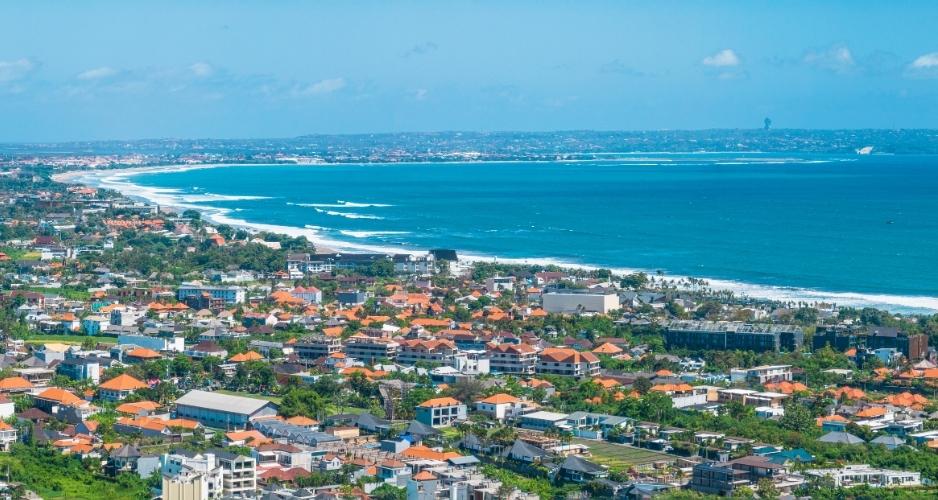
Getting around Bali is relatively easy once you get used to the local roads. Most expats and locals rely on scooters for transportation, as they are affordable and convenient. Scooter rentals are available everywhere, and they offer an easy way to explore the island. If you plan to stay long-term, it’s advisable to get a local driving license to avoid any legal issues. Additionally, ride-sharing apps like Gojek and Grab are widely used for short trips, making it easy to get around without owning a vehicle.
Health and Wellness
Bali has plenty of healthcare options, ranging from local clinics to international-standard hospitals. The cost of healthcare is generally affordable, but it’s still a good idea to have medical insurance, especially for more serious medical needs. Wellness is also a significant part of life in Bali, with plenty of spas, yoga centers, and holistic health retreats available across the island.
Banking and Finances
Opening a bank account in Bali is relatively straightforward if you’re staying long-term. However, many expats choose to manage their finances through international banks or services such as Wise or Revolut. ATMs are widely available, but you may want to keep an eye on transaction fees if you’re using a foreign card frequently.
Internet and Communication
Bali offers reliable internet in most areas, especially in places like Canggu, Ubud, and Seminyak, where many expats and digital nomads reside. You can easily purchase a local SIM card with a data plan, making it easy to stay connected. For those working remotely, coworking spaces provide fast, reliable internet and a great environment in which to stay productive.
Wish to invest in Bali real estate? Here is a complete guide for potential investors that addresses all the aspects and issues.
Challenges of Moving to Bali
While Bali offers plenty of benefits, there are a few challenges to consider. The tropical climate can be intense, especially during the rainy season, when flooding and humidity can become an issue. Infrastructure, such as roads and electricity, can also be inconsistent, particularly in more rural areas. Local bureaucracy can sometimes be slow and frustrating, especially when it comes to securing visas and dealing with other legal matters. However, most expats find that the pros far outweigh the cons, and with the right preparation, these challenges are manageable.
Conclusion
Moving to Bali in 2024 offers an incredible opportunity to enjoy a tropical lifestyle with modern conveniences. Whether you’re moving to Bali to work remotely, retire, or simply explore a new way of life, this island offers a unique blend of culture, nature, and community that few other places can match. With the right planning and preparation, you’ll soon find yourself living in Bali and experiencing all that this paradise has to offer. Take the first step toward your new life in Bali, and embrace the adventure that awaits you.
