Are you looking for ways to reduce your unnecessary tax burden? Do you set wealth protection as your top priority? Are you interested in a better (and more flexible) financial future? If you answered positively at least once, this guide will definitely be of use.
We are going to explore the most recommended Caribbean tax havens where you can take advantage of the best offshore banking opportunities and obtain a second passport for yourself or the whole family using local citizenship-by-investment programs. We will also explain how we can help you achieve your goals without much stress or hassle. Our team can handle every aspect for you from start to finish and design a strategic solution that will take you wherever you want to be.
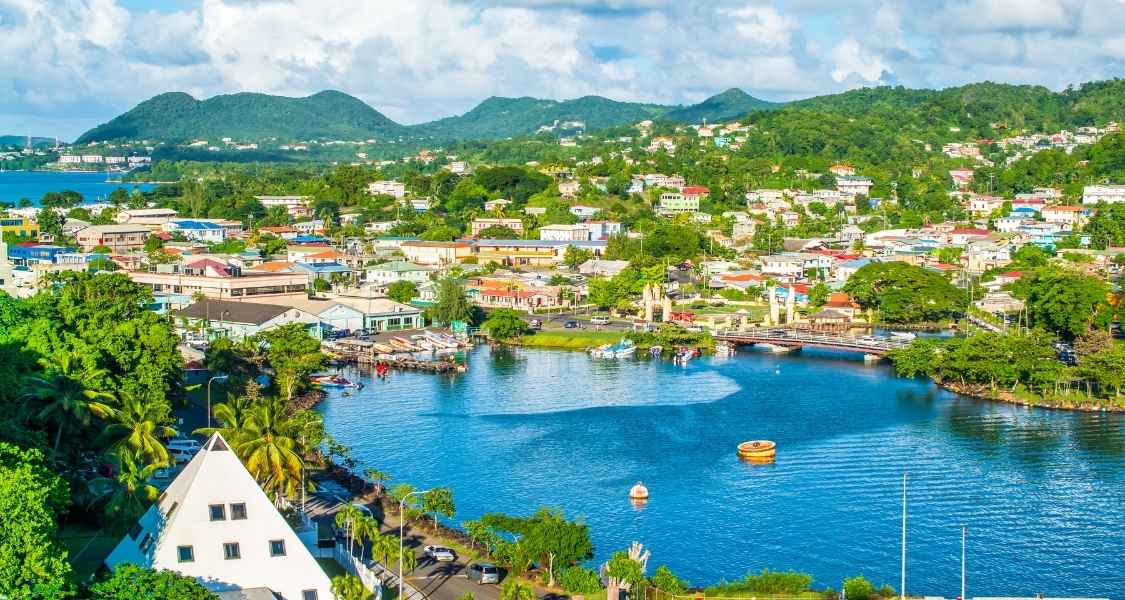
Disclaimer: This article is for informational purposes only and does not constitute tax, legal, or immigration advice. Laws and requirements change — consult local counsel or our specialists before taking action.
Key Takeaways
- Depending upon your goals — whether to use a Caribbean tax haven for banking purposes, tax residency, asset protection, business structuring, or second citizenship — you will find that some countries have better options than others.
- In this regard, the Bahamas, Belize, Nevis, Antigua and Barbuda, Grenada, and Saint Lucia have been among the most popular destinations in the Caribbean for international tax and wealth planning.
- Even if a jurisdiction has no personal income tax, there could well be other types of taxes, fees, duties, or reporting requirements that would need to be taken into account.
- Having an offshore company and/or bank account does not automatically relieve you of your obligation to pay tax in your home country (or your country of nationality).
- Transparency and international cooperation agreements such as the OECD's CRS, FATCA, and AML/CFT standards apply universally throughout the region.
- The best offshore solution is not always the cheapest but also includes factors like banking accessibility, political/legal stability, asset protection, regulatory compliance, and international reputation.
What is a Tax Haven?
In simple terms, a location with very beneficial tax policies. They are often island jurisdictions, though they can also be found elsewhere. If you need a European tax haven, please take a look at the list of the top 10 best countries.
In this article, we are focusing on those in the Caribbean and Central America, as they offer many of the best opportunities for residency, citizenship, banking, and offshore business registration.
We will go into more detail and answer some other common questions, such as "Is a tax haven legal?" Does it really help make your tax burden reasonable? Is it suitable for individuals and businesses alike?” Let’s explore these questions and much more.
What Makes a Caribbean Jurisdiction a Tax Haven?
Tax havens have no common law definition. Generally, they refer to jurisdictions with at least one characteristic that makes them an attractive location for international taxation. Characteristics of some tax havens may include:
- Zero or low taxation: Many Caribbean island nations have no tax on personal income, capital gains income, or inheritances. Some also give preferential treatment to foreign source income or certain international business models. It is important to remember that just because a jurisdiction has little if any tax, it doesn't mean the jurisdiction has no tax. Taxes on property, stamp duty, customs duty on imports, payroll tax, license fee, etc., will likely exist.
- The territory/source-based method of taxation: Some countries treat domestic and foreign-sourced income differently. For instance, in a territory-based system, foreign-sourced income may be taxed as opposed to domestic-sourced income. Internationally mobile entrepreneurs and companies can benefit from this feature. The amount of foreign-sourced income that may be excluded from taxation under a particular country's tax laws depends on both the jurisdiction and the tax laws of your home country.
- Banking and finance services internationally: Financial centers throughout many Caribbean nations supply banking services, investment and wealth management services, trust services, insurance services, and corporate service structuring services for international clients. Quality and availability of services vary greatly by nation. One jurisdiction may be able to offer you a very good tax environment but may only allow you to open a basic checking account. Another jurisdiction may have a highly developed financial center structure but have very rigid compliance procedures.
- Asset Protection/Wealth Management/Succession Planning: Jurisdictions around the world have created trusts, foundations, LLCs, and other entities that can be employed for the purpose of protecting assets and creating succession plans. As mentioned above, Nevis is particularly well-known for its asset protection laws. Other jurisdictions have more of a reputation for providing banking and/or investment management services to international clients.
The Best Caribbean Tax Havens for Offshore Banking and Residency
Let’s explore the Caribbean tax havens where you can benefit from offshore banking, lower taxes, and even permanent residency. If you’d like, you can take a look at the top banks in the Caribbean and get our support with opening accounts.
1. Anguilla
Anguilla has a long history as one of the most popular jurisdictions in the world due to its well-documented tax structure, political stability, and relatively good reputation in the area of low-tax international jurisdictions.
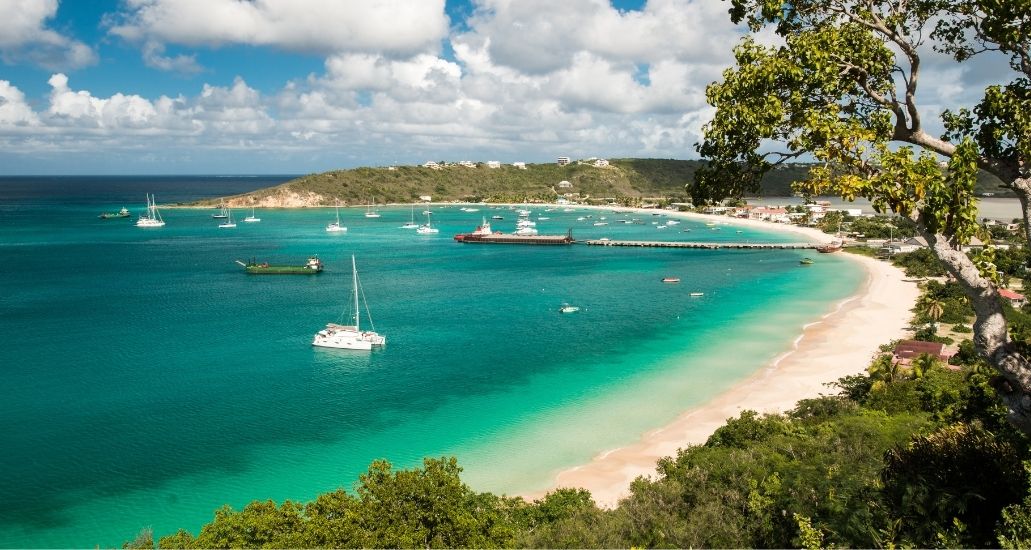
As Anguilla is a British overseas territory, it does not have personal income tax, capital gains tax, or inheritance tax; there are many other types of taxes, fees, and duties that can be applied to an individual or company based on that individual's specific situation and/or the type of business or investment they plan to make in Anguilla.
Anguilla could appeal to:
- High net worth individuals
- International business people;
- Individuals who wish to establish a base in the Caribbean region.
- Lifestyle seekers and stability seekers;
- Businessmen/women seeking an established offshore financial services center;
One of Anguilla's greatest strengths is its relationship with the United Kingdom (UK). This relationship provides Anguilla with political and institutional stability while at the same time allowing Anguilla to govern itself locally in terms of taxation and regulation.
However, Anguilla cannot be viewed simply as a 'tax haven' for all. There are very significant differences between immigration status, residency, and tax domicile that each potential resident needs to understand before making decisions about whether to relocate to Anguilla. Similarly, any potential resident will need to determine his/her/their business/tax obligations and the required economic substance for their business.
Additionally, Anguilla offers several different pathways for qualified individuals to become residents in Anguilla. These pathways include programs specifically designed to encourage high-net-worth residents to live in Anguilla.
For those who seek a combination of a low-tax environment and a Caribbean lifestyle, Anguilla may offer a better option as a place to reside and develop a wealth planning strategy rather than as an ordinary offshore banking jurisdiction.
2. Antigua & Barbuda
In terms of both the quality of its tax regime and its standing as one of the most well-established citizenship-by-investment programs within the Caribbean, Antigua & Barbuda presents itself as an attractive option to those looking for a combination of both.
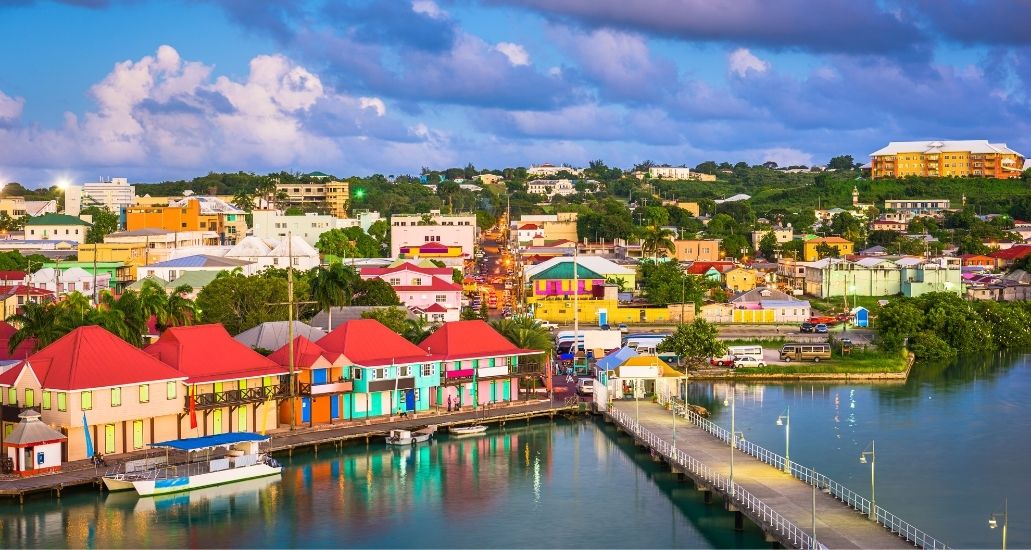
Although Antigua & Barbuda offers an opportunity to achieve tax minimization through obtaining a second citizenship, it is not specifically aimed at that; rather, it is primarily focused on achieving global mobility.
The Citizenship by Investment program has various investment options through which an applicant can qualify for citizenship upon meeting government rules and completing required due diligence. Some examples include:
- National Development Fund contribution
- Real Estate Contribution
- Business contribution
- University of the West Indies Fund contribution (as per the program rules)
Investment requirements (minimum amount), the types of qualifying options available, processing requirements (for example, time frames, etc.), and family eligibility provisions are all subject to possible change; therefore, applicants should always consult directly with the formal program website to confirm their most up-to-date entitlements prior to submission.
Antigua & Barbuda will likely attract:
- Those families who wish to acquire a second citizenship
- International Entrepreneurs
- High Net Worth Individuals
- Individual investors seeking increased international mobility
Obtaining Antiguan citizenship does NOT automatically render an individual a tax resident of Antigua & Barbuda, nor does it eliminate other countries' tax liabilities.
3. The Bahamas
The Bahamas is a well-recognized international financial center in the Caribbean and an attractive option for wealthy individuals, investors, and international companies seeking sophisticated wealth management and banking services.
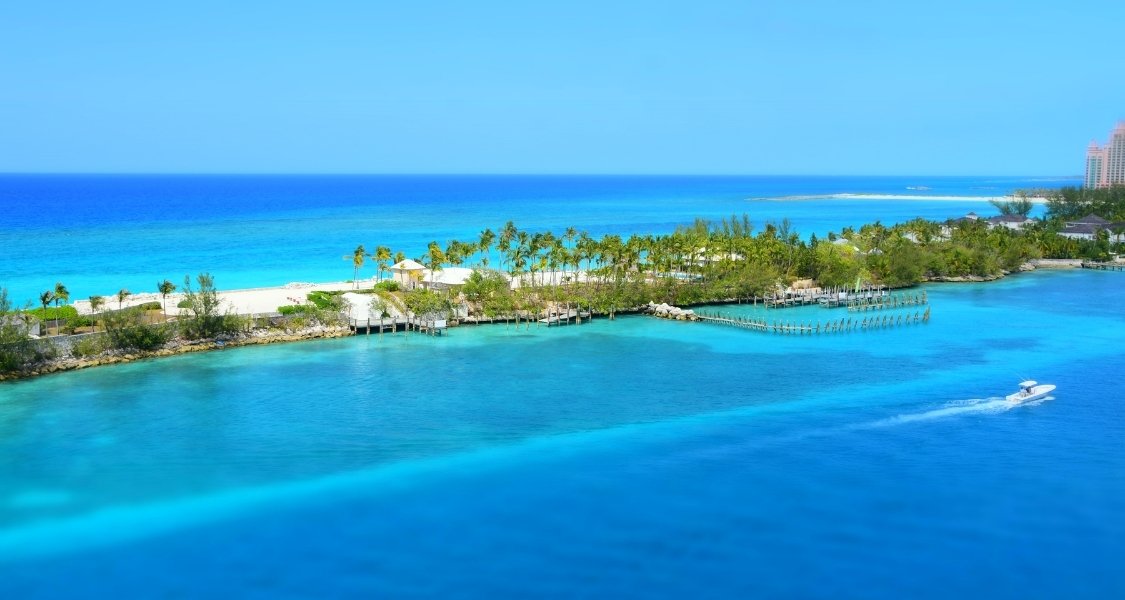
While there is no personal income tax or capital gains tax in the Bahamas, it does include various types of taxation and sources of government revenue such as value-added tax (VAT), property taxes, customs duties, and stamp taxes.
Therefore, the Bahamas would be considered a more tax-friendly jurisdiction than being completely tax-free.
Some of the financial service areas that are included in the Bahamas' financial services sector are:
- Private banking
- Wealth management
- Investment funds
- Trust & estate planning
- Corporate services
- International financial services
One of the major benefits of the Bahamas' financial services sector is its already-established financial infrastructure. High net worth clients also often choose this jurisdiction because of the ability to open a private offshore bank account with a Swiss bank operating in the Bahamas — all remotely and fully compliant with global standards.
Additionally, the Bahamas has several residency options for qualified foreign investors and high-net-worth individuals. Although these can be related, they should be evaluated separately, i.e., residency status vs. immigration status vs. tax residency status.
The Bahamas could be a good fit for:
- High Net Worth Individuals
- International Investors
- Family Wealth Planning Solutions
- Entrepreneurial Needs for Sophisticated Financial Services
- Caribbean Residency Options
Its most significant benefit is its combination of a favorable personal tax environment, well-established financial services sector, political stability, and geographic proximity to the U.S.
4. Belize
International investors and companies are drawn to Belize as a favorable location for forming international companies and structuring cross-border ventures. Belize operates under an English common law system, which allows foreign investors to create corporate vehicles in Belize for use in their offshore operations.
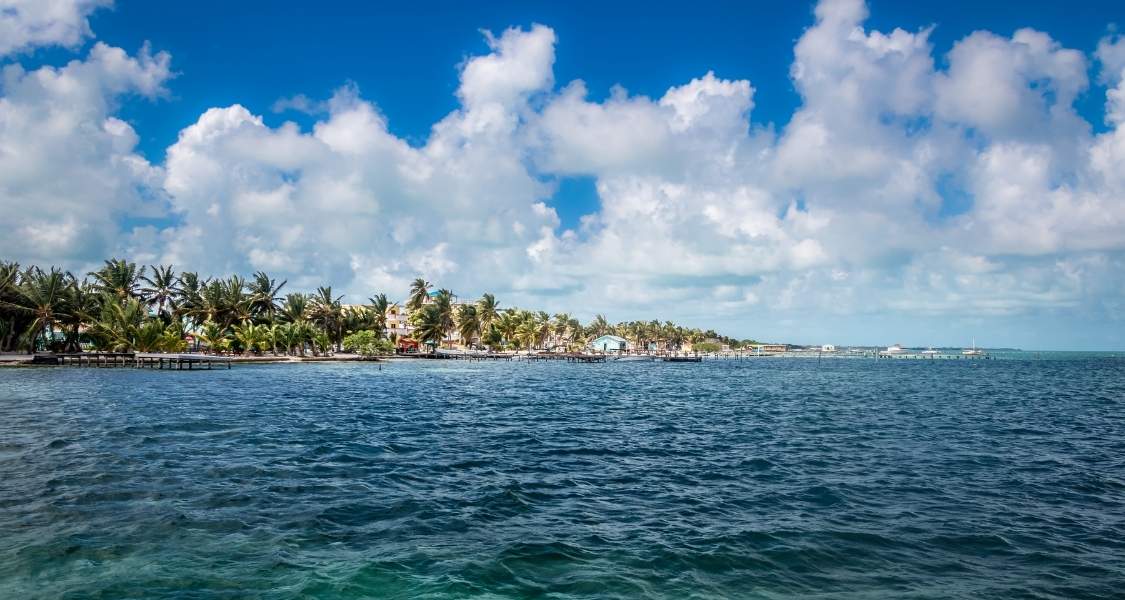
It is important not to oversimplify how Belize treats taxes. Due to new international taxation and economic substance regulations, the tax implications depend upon what type of entity it is (e.g., IBC, exempt company, etc.), the nature of the activities it conducts (i.e., trading or investment), and where these activities occur. If the business will have a taxable presence somewhere else in the world, this too will affect its tax liability.
Belize could suit:
- International Entrepreneurs
- Small and Medium Enterprises (SME’s)
- Service providers with cross-border operations
- Caribbean Corporate Structure Investors
Belize also offers easy access to international banking services; however, the banks operating out of Belize can be very particular regarding Know Your Customer (KYC) and Anti-Money Laundering (AML) compliance. Therefore, there is no guarantee that even if you incorporate a company in Belize, you will get an account.
In order to open an account, you may be required to supply your bank with:
- Identification Documents
- Proof of Address
- Company Documentation
- Documentation identifying Beneficial Owners
- Description of Business Activities
- Source of Funds documentation
- Contracts, invoices, etc. evidencing your business model.
Therefore, Belize would likely be best suited to those who require a simple international business structure as opposed to complex private banking or high-net-worth wealth management services.
5. Bermuda
The most prominent international financial center within the Caribbean, Bermuda is known internationally for having a strong presence in many areas of financial services, including insurance, reinsurance, fund management, and other high-end financial service fields.
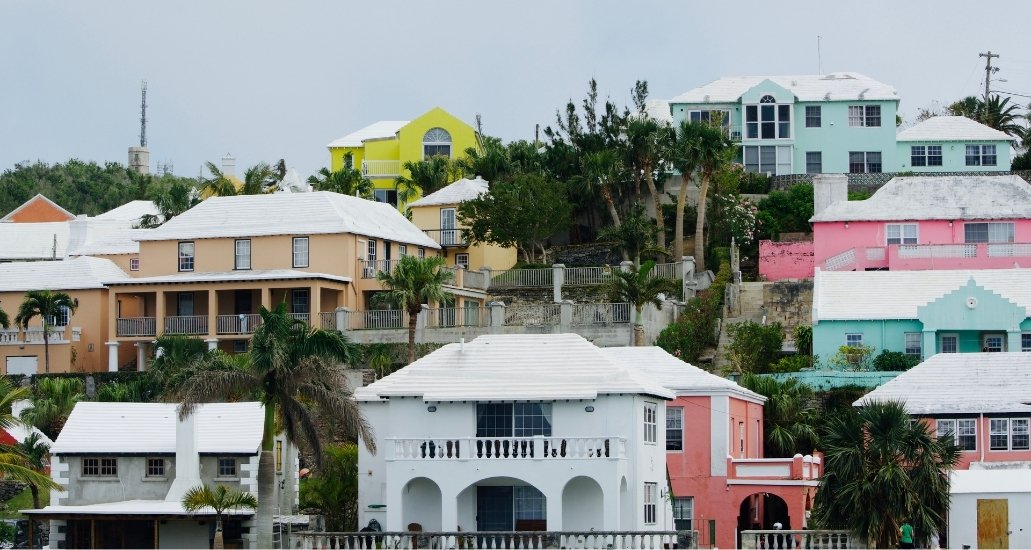
Although it is typically referred to as being a zero-tax jurisdiction, Bermuda's tax regime is somewhat more complex than this would suggest. Payroll-related taxation, customs duties on imported goods and services, various types of real estate-related levies (e.g., stamp duty), as well as government fees can all apply to both residents and companies based in Bermuda.
While tax is an important consideration when determining whether to establish an entity in Bermuda, the overall strength of Bermuda's finance sector is likely to be its most significant advantage.
Bermuda is particularly suited for:
- Institutional investors
- Businesses involved in insurance and re-insurance
- Investment funds
- High-net-worth individuals
- International corporations
- Professional investors.
As such, Bermuda enjoys a very well-developed legal and regulatory structure that provides a comprehensive framework for regulation over all participants in its financial services industry.
Therefore, Bermuda is best viewed as a sophisticated International Financial Center (IFC), where tax planning is but one aspect of the wider wealth/corporate structuring process.
When deciding on a location for a residence/office, there is also a need to consider residency status separately under the immigration law of Bermuda and tax residency. Prior to establishing a business or relocating to Bermuda, the individual or business will benefit from reviewing, with the assistance of professionals, both the immigration laws of Bermuda and its tax regime.
6. Curacao
Curaçao is an island nation located within the Dutch Caribbean with an extensive history of providing a financial services industry. As a result of Curacao’s status as part of the Kingdom of the Netherlands, it has a financial regulatory environment that combines elements from both the Netherlands and other international standards.
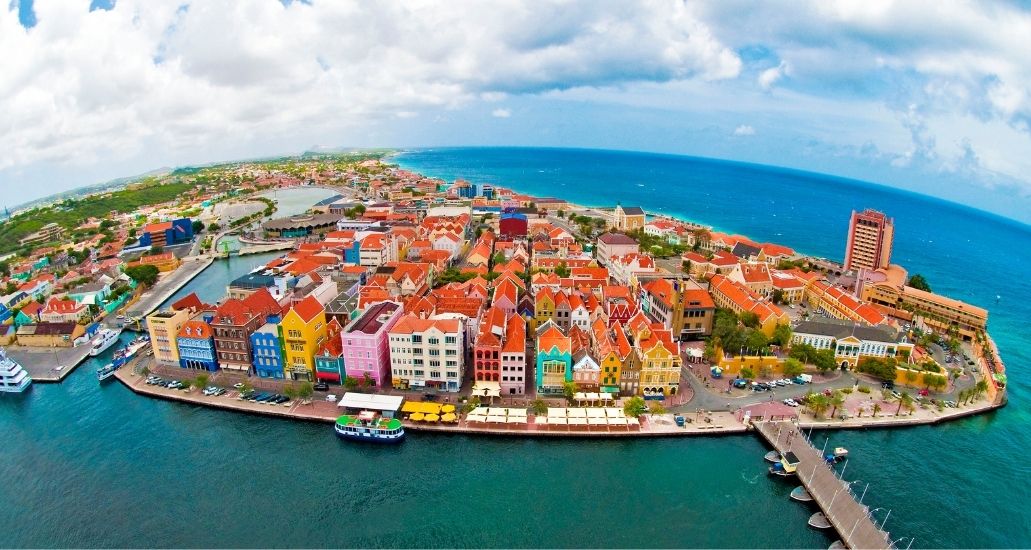
Curacao cannot simply be classified as a pure tax haven (or even a “zero”-tax haven) like some of the other Caribbean nations.
Its unique value proposition stems from its ability to provide:
- Financial services
- Regulatory framework development
- European-legal institutional structures access
- Business opportunities internationally
- Sophisticated financial sector
Therefore, international businesses and investors interested in establishing their business presence in the Caribbean region and willing to prioritize both regulatory credibility and established financial infrastructure would find Curacao’s jurisdiction of interest.
While many offshore marketing materials describe Curacao’s tax system as being much simpler than it actually is, corporate and individual taxes do exist, and therefore, the tax treatment of a specific structure will depend upon the type of entity used, the nature of the activity(ies) conducted by the entity, and the source(s) of income received by said entity.
For this reason alone, Curacao represents an excellent case study as to why one should not equate all Caribbean nations when developing lists of “Caribbean Tax Havens.” While some nations are primarily appealing due to their minimal tax rates, others combine regulated environments, financial infrastructure, and/or international connectivity.
Opening a corporate account remotely is possible, and Curacao banks are known for their security, online banking tools, and international reach. The process requires notarized corporate and personal documents, proof of address, and banking references. Minimum deposit requirements typically start at $10,000.
7. Grenada
Grenada is a second Caribbean nation offering favorable tax options in addition to its existing citizenship-by-investment option.
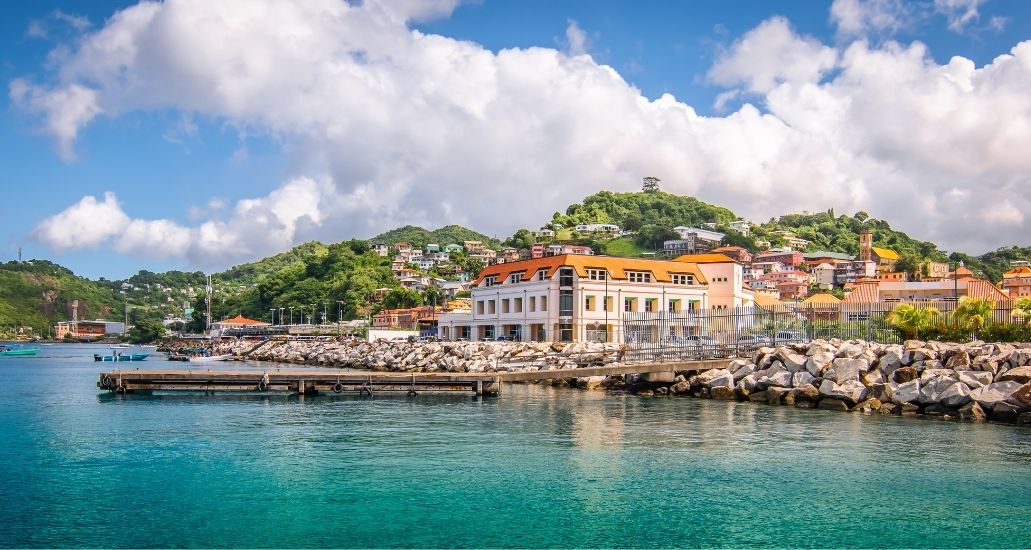
This jurisdiction may provide several advantages to investors who wish to have the following:
- Second citizenship
- International travel ability
- A Caribbean lifestyle experience
- Investment opportunities
- Relatively easy-to-understand and navigate citizenship through investment options.
Qualifying investments are available under Grenada’s CBI Program, specifically, qualified real property investment as well as qualified financial contribution under the provisions of the applicable regulations.
Additionally, it is worth noting that Grenadian citizenship has traditionally provided the same status as U.S. treaty investor (E-2) eligibility to those who meet all U.S. immigration requirements. Note that E-2 eligibility based upon citizenship will not be automatically granted solely based upon citizenship, and potential applicants should consult their own counsel prior to pursuing such a path.
8. Panama
Panama is regarded by many as a top destination among Latin American countries for both financial and commercial purposes and is regularly discussed in association with other Caribbean/Central American tax-free nations.
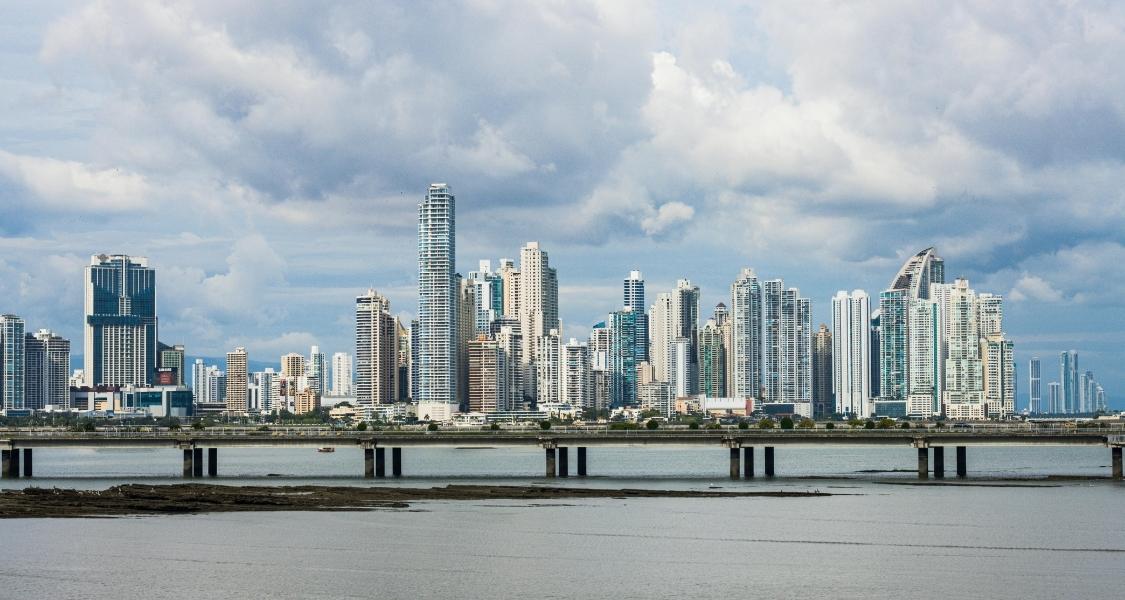
While technically located in Central America rather than on the Caribbean Islands, Panama played an early and influential role in international finance, shipping, corporate planning, and international trade. Therefore, although physically part of Central America, Panama is often mentioned along with Caribbean and Central American regions when searching for tax haven destinations.
Like all jurisdictions, Panama uses a territorial taxation approach, which means that the origin of income (i.e., source) determines whether income will be taxed within Panama. This territorial method of taxing income differs from those jurisdictions whose primary focus is to tax all income earned around the world. It should be noted, however, that even under a territorial system, some types of income are still taxable based upon their source. As such, international corporations and individuals need to evaluate how the income they generate is sourced before opening up operations in Panama.
Additionally, Panama maintains a well-developed banking system using the US dollar as well as its own currency, the balboa. While this dual-currency system simplifies certain aspects of doing business internationally, the banking system in Panama is subject to the same anti-money laundering (AML) and know your customer (KYC) regulations as many other offshore banking systems. There is no automatic right to open a bank account; banks may require detailed information regarding the applicant's background, beneficial owners, nature of business, source of wealth, and source of funds prior to approval."
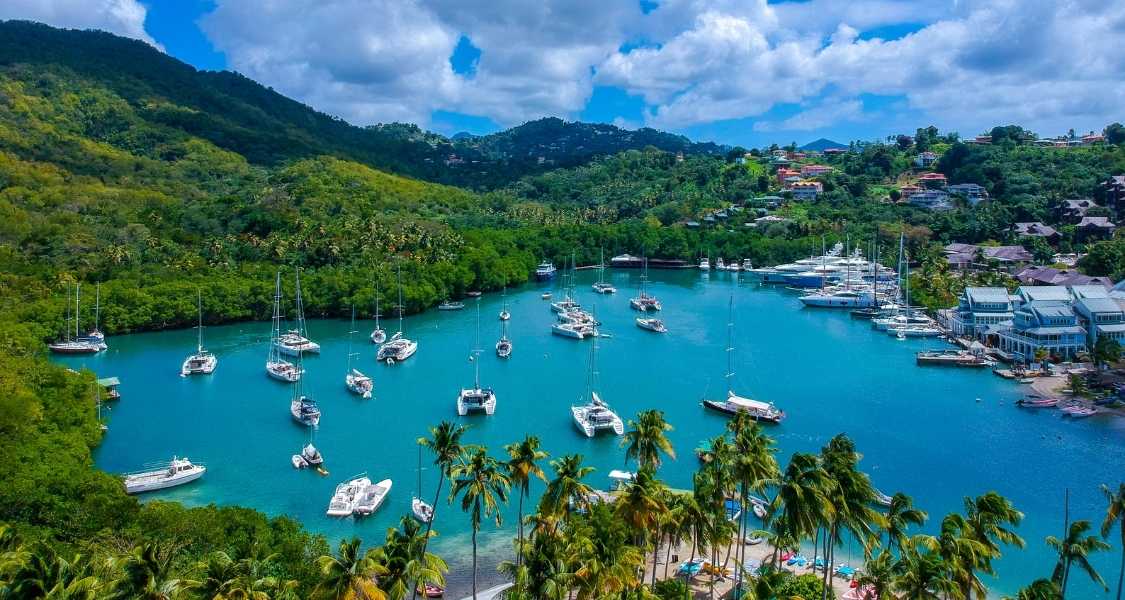
9. Saint Lucia
Saint Lucia provides an opportunity for both Caribbean residence and citizenship in addition to providing a reasonably developed legal and regulatory system for international finance services.
Specifically, Saint Lucia will be of particular interest to those considering the following:
- International Business
- Financial Planning Across Borders
- Residency in the Caribbean
- Investment Opportunities
St. Lucia has a citizenship by investment program that utilizes multiple types of qualifying investments. This includes investing in the National Fund; purchasing and/or developing property (real estate), which is approved by the government; establishing and/or investing in government-approved enterprises; and other investments approved by the government. Qualifying investment minimums, as well as the specific eligibility requirements, are subject to change. Applicants should therefore consult the official website for the St. Lucia Citizenship by Investment Program to obtain current information.
Additionally, Saint Lucia’s tax status will have to be reviewed based on the applicant's own situation. It would be incorrect to describe it as having no taxes or no reporting obligation. Corporate obligations, international taxation laws, and reporting requirements depend on the structure and nature of the activities.
People looking to purchase a second citizenship while at the same time enjoying a Caribbean lifestyle and international travel may find this jurisdiction particularly appealing.
Corporate bank accounts can be opened remotely in as little as 5–7 days. Minimum deposit requirements start from $5,000. The process involves notarized personal and corporate documents, proof of address, and professional references. All documentation must be translated into English (if necessary) and duly certified.
You can open multi-currency deposits in USD, EUR, GBP, CAD, CHF, and more in banks in Saint Lucia. You can conduct transactions using SWIFT and take advantage of competitive deposit interest rates. In addition, you can use secure online banking 24/7, with access protected by a token.
Credit and prepaid cards are available in USD, with specific limits and service fees. Corporate cards require a 125% collateral deposit and offer monthly statements and international usability.
Our experts handle the entire Saint Lucia onboarding process — from document collection to bank selection and account activation — helping you manage international finances or set up and run a company, all with high privacy, efficiency, and reliability.
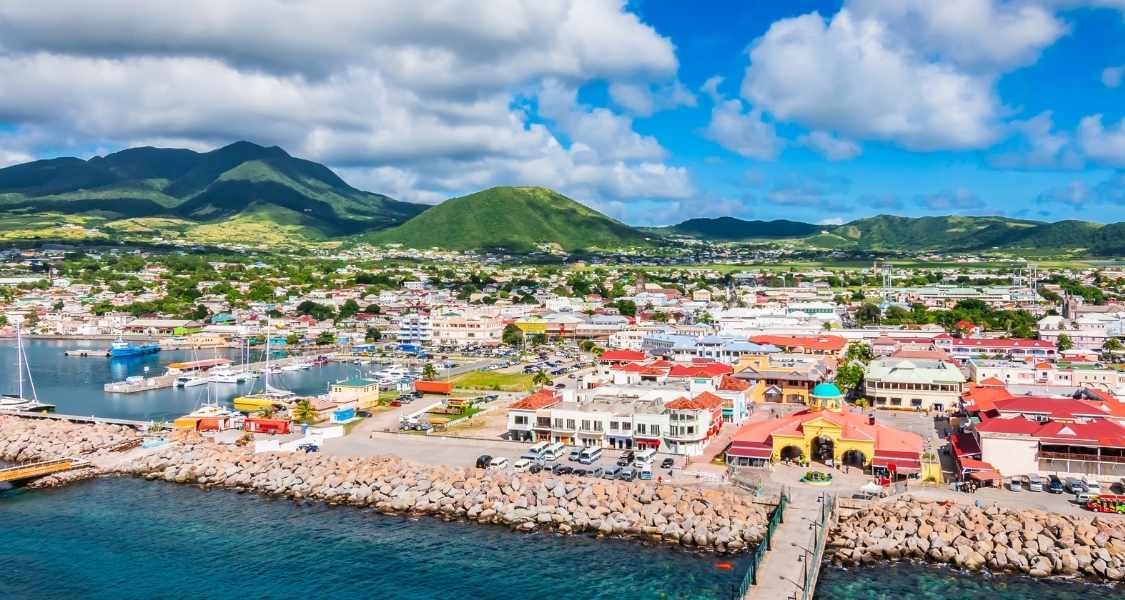
10. St. Kitts and Nevis
St. Kitts and Nevis is known for being one of the few places that have international wealth planning and asset protection opportunities, as well as citizenship by investment programs.
As there is no personal income tax, capital gains tax, or inheritance tax (unlike many countries with higher taxes) imposed on residents of this country, it is very attractive to mobile wealthy individuals.
In addition, Nevis has become widely recognized as a leader in the use of asset protection structures such as Nevis LLCs and Nevis trusts. They can be used for a wide variety of reasons, including but not limited to legitimate wealth preservation, succession planning, and asset restructuring while adhering to the law and paying all required taxes.
This country may be beneficial to:
- Entrepreneurs
- High net worth individuals
- International Investors
- Families who wish to transfer wealth from one generation to the next
- Individuals who would like to obtain a second passport
Additionally, St. Kitts and Nevis offers a citizenship by investment program. The applicant will need to qualify for citizenship via an approved investment route subject to government due diligence and compliance with eligibility requirements.
Therefore, St. Kitts and Nevis' most unique aspect compared to other countries is not merely its tax system; it is the fact that this country provides both citizenship programs and the Nevis asset protection laws, which have been in place for years.
However, for those looking at Nevis offshore banking, individual access to banks and accounts should be reviewed on a case-by-case basis. Banks individually implement Know Your Customer (KYC), anti-money laundering (AML), source of funds (SOF), risk assessment (RA), etc., standards.
You may also be interested in learning more about the safest Caribbean islands to live on.
Caribbean Tax Havens Comparison Table
The right jurisdiction depends on your objectives. Rather than choosing a country solely because it has the lowest tax rate, consider how well it fits your personal, financial, and business circumstances.
| Jurisdiction | Main Tax Advantage | Best Known For | Banking & Financial Services | Residency / Citizenship |
| The Bahamas | No personal income tax | Private wealth and financial services | Strong | Residency options |
| St. Kitts & Nevis | Favorable personal tax environment | Asset protection and citizenship | Established | Citizenship by investment |
| Belize | Favorable treatment for certain international structures | International business | Available, subject to KYC | Residency options |
| Antigua & Barbuda | Favorable tax environment | Second citizenship | Established | Citizenship by investment |
| Grenada | Favorable tax environment | Citizenship and international mobility | Available | Citizenship by investment |
| Anguilla | No personal income tax | Low-tax residency and lifestyle | Established | Residency options |
| Bermuda | Favorable personal tax environment | Sophisticated financial services | Very strong | Residency options |
| Saint Lucia | Favorable tax treatment in specific circumstances | Citizenship and lifestyle | Established | Citizenship by investment |
| Curaçao | Selected tax-planning opportunities | Regulated international finance | Established | No major CBI program |
| Panama | Territorial taxation | International business and banking | Strong | Residency options |
Tax-Free Caribbean Islands and Their Benefits
The Caribbean is home to several jurisdictions where taxes on offshore-generated income are non-existent. These destinations attract global entrepreneurs, investors, and retirees due to their beneficial financial climate.
Islands with No Income or Property Tax
If you are looking for Caribbean jurisdictions that offer complete exemptions from income and property taxes, you are sure to find them. The most notable are the Bahamas, St. Kitts and Nevis, and the Cayman Islands. These islands do not levy personal income taxes, corporate income taxes, capital gains taxes, or property taxes, which makes them attractive for individuals and business owners who want to legally reduce their tax burden.
Best Islands for Expats and Investors
The best destinations for expats and investors are those that combine tax benefits and high living standards. The Bahamas, for instance, offers easy access to international airports and excellent healthcare. As for Nevis, you will really appreciate its privacy and ironclad asset protection, so it is an ideal choice for entrepreneurs and families alike. Finally, Saint Lucia boasts a stable government and an attractive CBI program, which appeals to investors who look for dual citizenship and a serene tropical lifestyle. Discover Caribbean luxury islands that are best-suited for HNWIs and book a meeting with our experts to choose the best Caribbean destination for your goals.
How to Benefit from Tax-Free Status
To use tax-free status, there are two options: legal residency in the Caribbean (Panama) or creating an offshore company in a particular country. In both cases, you have to go through the relevant law and get a permit/license (residency, business). We can help you through this process and locate the most suitable jurisdiction for you. In addition, we can open an off-shore company for your needs and assist you with obtaining residency or citizenship.
Which Caribbean Tax Haven Is Best for Your Goals?
There are a number of ways that the Caribbean tax havens differ from each other. To determine which Caribbean tax haven will satisfy your client's goals, you have to determine what they want to accomplish.
Best for Private Wealth and Financial Services: The Bahamas
Private banking, wealth management, and investment services in an established environment at the lowest possible tax rates for high-net-worth individuals could make the Bahamas a viable alternative.
Best for Asset Protection: Nevis
For those who want asset protection laws that protect their assets from creditors (LLCs and trusts) and are specifically created for such purposes, Nevis may provide unique alternatives.
Best for Citizenship by Investment: Compare the Caribbean CBI Programs
Antigua & Barbuda, Grenada, St. Lucia, and St. Kitts & Nevis offer citizenship by investment. There are several differences in each country's program requirements relating to how much money must be invested, how many family members can apply for citizenship, what type of due diligence is involved, and how long it takes for approval. Therefore, based on their goals, the correct choice for each individual investor will depend upon their specific situation.
Best for International Business: Belize or Panama
International businesses wishing to establish an offshore company to minimize taxes and increase flexibility in accounting/reporting may find Belize to be a good fit. Businesses that desire a larger economy and better developed banking systems may prefer Panama. Panama has a territorial tax system.
Best for Sophisticated Financial Services: Bermuda
Businesses requiring complex financial products and/or services (such as insurance/reinsurance, mutual funds, etc.) may find Bermuda to be particularly appealing.
Best for a Caribbean Lifestyle: Anguilla or the Bahamas
Anguilla and the Bahamas are ideal destinations for those seeking to live in a Caribbean island destination offering a desirable quality of life, modern infrastructure, and a tax regime that applies favorably to them.
Legal Considerations and Compliance in Caribbean Tax Havens
Before you set up an offshore company/trust/bank account, it is necessary to know about legislative and regulatory requirements that apply. Caribbean jurisdictions increasingly follow international standards of financial transparency, such as FATCA, CRS, and applicable Tax Information Exchange Agreements (TIEA) with respect to reporting to their government of origin. Structure and jurisdiction will also determine which beneficial ownership, AML/KYC, reporting, and economic substance requirements businesses and individuals must comply with.
Legitimate uses for offshore structures include international business, asset protection, and wealth planning but do not automatically remove tax obligations to your country of residence. It is essential to seek legal and tax advice from a qualified professional to ensure that any offshore company/ trust is properly structured and remains compatible with both local and internationally required laws and regulations
Potential Risks of Caribbean Tax Havens
Caribbean tax havens can offer valid advantages. However, there is always risk involved.
- Changing international tax laws: International taxation laws have changed rapidly. The OECD has implemented regulations pertaining to beneficial ownership. Economically active regulations have recently been put into place. A global minimum tax has also recently become law. These new regulations could negatively impact your offshore entity.
- Difficulties opening offshore bank accounts. In many cases, it may be more difficult to obtain an offshore bank account than it is to establish an offshore company. Banks will require you to go through lengthy know-your-client (KYC) and anti-money laundering (AML) checks prior to opening an offshore bank account. They may refuse to open an offshore bank account if you fall under a certain "industry" category, were born in a specific country, or have a particular profile.
- Tax Residency issues: If you move to another country due to work relocation, you may be considered a tax resident in both countries. This could cause unforeseen tax liabilities that you may be responsible for paying.
- Economic substance requirements: certain businesses may need to prove that they are actually engaged in some form of economic activity within the jurisdiction where they claim to operate (employees, management, etc.).
- Reputation issues: offshore entities are perfectly lawful. Nevertheless, when someone refers to an "offshore tax haven," they typically carry a negative stigma. It would be wise for anyone contemplating using an offshore entity for their business/financial needs to think about what the perception of such an entity will be by banks, investors, customers, and regulatory bodies.
- Costs involved with maintaining an offshore entity: While the cost to initially set up an offshore entity may seem low, the ongoing compliance costs associated with maintaining that entity can accumulate rapidly. Fees charged by registered agents, accounting firms, licensing fees, annual report fees, and other fees can quickly add up.
How to Establish Residency in Caribbean Tax Havens
Want to enjoy tax residency benefits while living in paradise? We make it easy.
Citizenship by Investment Programs
Caribbean citizenship by investment allows you to acquire a second passport by contributing to the country’s economy. Depending on the jurisdiction, you may qualify by donating to a government fund, purchasing approved real estate, or investing in a business or government bonds. The most popular programs are offered by:
- St. Kitts and Nevis – from $250,000; citizenship in 4–6 months (or 60 days with fast-track processing)
- Antigua and Barbuda – from $230,000; family-friendly with options for large households
- Dominica – from $200,000; one of the most affordable and fastest (2–4 months)
- Grenada – from $235,000; includes access to the U.S. E-2 investor visa and visa-free travel to China
- Saint Lucia – from $240,000; flexible program with multiple investment routes
Note, prices are in USD.
Each program allows visa-free access to about 140 countries, including the EU Schengen Area, the UK, Hong Kong, and Singapore. You retain your original citizenship and benefit from low or zero taxes on global income, capital gains, and inheritance.
These programs are very popular thanks to their simplicity, transparency, and speed. Caribbean nations have simplified their application processes to the highest degree possible, so applicants typically do not need to relocate or reside in the country. Most programs allow remote submission and provide passports through embassies or secure delivery.
However, investment flexibility is not the only advantage. Many of these jurisdictions offer attractive lifestyle perks: tropical climates, beachside living, vibrant expat communities, modern healthcare, and more. For many investors, moving to a tax haven and obtaining Caribbean citizenship becomes more than a financial strategy: it’s a true life upgrade.
How to Apply for Caribbean Residency
We take care of everything — from paperwork to passport delivery. Here’s how it works:
- Choose the Right Program – We’ll analyze your goals and recommend the best fit
- Document Collection – We help you prepare the required documents and pass due diligence
- Make the Investment – Donation, real estate, or business; we handle all transactions securely
- Application Submission – Done by our licensed local partners
- Receive Citizenship – Get your naturalization certificate and second passport within 2–6 months
Our legal and administrative team ensures full compliance and success. Book a consultation, and we’ll show you the most efficient, cost-effective path to second citizenship in the Caribbean.
Conclusion
Caribbean Tax Havens and tax-friendly locations are attracting many entrepreneurial people, investors, and high-net-worth individuals, as well as internationally mobile families with needs such as tax efficiency, asset protection, international banking, or increased global freedom. The most beneficial location will depend upon your objective(s). For example, the Bahamas may be attractive to people looking for a structured financial services environment combined with a positive personal tax environment, whereas Nevis has an excellent reputation for asset protection. International business structures can often be implemented through Belize and/or Panama, whereas Bermuda offers very sophisticated financial services, and numerous other Caribbean nations offer citizenship-through-investment programs.
To determine which jurisdiction you need, you should look beyond headline tax rates. Banking access, legal protections, regulatory standards, reporting requirements to overseas authorities, ongoing compliance obligations, and tax residency are equally important factors when deciding if a particular structure meets your needs. An appropriately planned Caribbean structure can provide you with a framework to achieve legitimate international business, wealth planning objectives, or asset protection goals; however, each should be developed in consideration of your individual circumstances and maintained in accordance with applicable laws.
