Undeniably convenient and attractive, passive income is not always without risk. Nonetheless, with a prudent approach to investing, you can potentially secure a steady stream of profit throughout your lifetime. The opportunity is available to residents of most countries, including Singapore.
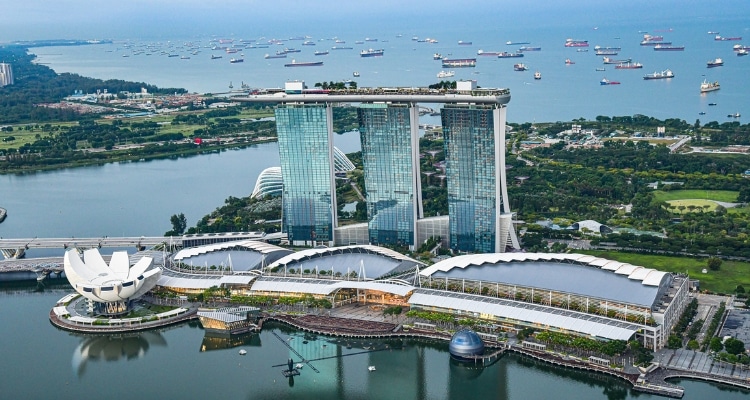
Let’s see how to invest money in Singapore in 2023. We will investigate the most promising investment plans in Singapore, each carrying its distinct risk profile. Mind that you don’t have to restrict investments to your home country. To boost potential returns and spread out risks, try to invest in stocks, venture into business endeavors, and distribute your assets into real estate and financial instruments across different countries, thereby establishing multiple portfolios.

Supported by seasoned industry experts, you will seamlessly start an investment account online. Q Wealth weathered pros will assist you in selecting the most suitable bank and financial institution to ensure a swift and secure account setup.

FREE EXPERT CONSULTATION
with seasoned professionals on international
banking
and where it is best to open
non-resident corporate accounts.
with seasoned professionals on international banking and where it is best to open non-resident corporate accounts.
How can you become an investor in Singapore?
To get started with investing in Singapore, feel free to follow just 2 easy steps:
- select a licensed broker who will assist you in opening a brokerage account.
Alternatively:
- Open a brokerage account in person. To establish an account with the Central Depository (CDP), you will have to meet certain eligibility criteria. CDP accounts hold the stocks and securities purchased on the Singapore stock market.
After these initial steps, all that is left for you to do is make an initial deposit and start your investment journey.
Portfolio management is often the most intricate aspect of the above process, as comprehending risk levels and potential returns is particularly challenging for newcomers. This is why many individuals opt to entrust investments to professionals who manage their portfolios in exchange for a transaction percentage.
Who can invest in Singapore in 2023?
Depending on their objectives for financial gain or other associated privileges, individuals or entities willing to become investors in Singapore fall into 2 categories:
- Resident investors of Singapore: For them, income generation and excellent financial results are the top priority.
- Foreign investors in Singapore: This group may have multiple objectives:
- Accessing the Global Investor Programme, which offers permanent residency in Singapore in exchange for investments in the country’s economy, business registration, or private capital ownership.
- Expanding their business operations to seek additional profits and enter the Asian market.
Both of the above investor categories may include individuals or corporations. The composition of their investment portfolios typically comprises a variety of financial instruments, with stocks, bonds, and securities among them. It often depends on the amounts they invest.
What are the best investments in Singapore?
Learn what factors will influence your investment portfolio composition in Singapore:
- risk level that may vary from high to low
- investment term directly influencing both potential income and risk
- budget allocated for these investments
- return on investment and overall profitability.
For those new to investing, these terms may appear unfamiliar. This is why be sure to gain a comprehensive understanding of each component before you decide where to invest in Singapore.
Now, let’s explore the key investment avenues in Singapore for 2023, each coming with different risk levels and potential returns:
| Investment type | Risk level | Annual return (average yield) | Budget |
| Stocks of individual companies | Higher risk (⅘) | Average annual return of 9.5% to 18.5% | $$$ |
| Alternative investments (private lending markets) | High risk | Potentially high annual return of 5.3% to 19.3% or more | $$–$$$ |
| Forex (foreign exchange) | Moderate risk (⅗) | High yet unpredictable annual returns | $ |
| Real estate investment funds (REITs) | Moderate risk | Average annual returns starting at 11.3% | $$$ |
| Exchange-traded funds (ETF) | Moderate risk | Average annual returns ranging from 11% to 15.5% | $$$ |
| Supplementary pension scheme | Low risk | Guaranteed yet low average annual returns | $–$$$ |
| CPF investment scheme | Low risk | Guaranteed yet low average annual returns varying with each portfolio | $–$$$ |
| Singapore savings bonds | Low risk (⅖) | Guaranteed yet low average annual returns ranging from 0.8% to 3.47% | $$$ |
| Bank deposit | Low risk (⅕) | Low average annual returns | $$$ |
Configuring their portfolios is a pivotal step for most investors. For the above purpose, you will have to diversify your assets in order to either maximize returns (the best-case scenario) or ensure the preservation of funds at the time of withdrawal (the immediate goal).
To understand where your hard-earned money will go, let’s look at the different ways you can invest in Singapore.
Thinking about opening a personal or business bank account in Singapore or another overseas jurisdiction? For the best results, contact Q Wealth experts!
Stocks in Singapore
Stocks represent one of the most reliable investment asset classes. When you invest in stocks, you acquire a stake in a company, whether in Singapore or overseas. Feel free to receive profits from stocks through various means:
- Dividends: Companies pay out a portion of their business income regularly, either annually, quarterly, or following a predetermined schedule.
- Capital augmentation: Income is generated by selling stocks at a price higher than the purchase price.
Known for their high profitability, blue-chip stocks are offered by well-established companies in Singapore. These investments typically come with relatively low risk and high capitalization levels.
FYI: In Singapore, dividends are tax-free, allowing investors to enjoy substantial profits.
Exchange-traded funds (ETFs)
In Singapore, there exists a financial instrument known as an Exchange-Traded Fund (ETF). This fund holds a diverse range of assets, including bonds, stocks, and commodities. The composition of an ETF is meticulously crafted to mirror the performance of a specific index. Consequently, when an investor opts for an ETF, they effectively acquire a comprehensive package of various securities and investment products, a cost-effective alternative to purchasing them individually.
For example, acquiring a single STI ETF unit translates to ownership of 30 blue-chip stocks listed on the Singapore Exchange (SGX). In this case, their market capitalization serves as a transaction basis. Stocks that deviate from the index are automatically replaced with more robust alternatives. This is why ETFs are a preferred choice for many investors in Singapore.
Bonds in Singapore
When looking for low-risk investment options in Singapore, don’t hesitate to consider bonds, specifically SSB (Singapore Savings Bonds). These bonds are known for their enduring stability and predictability. Managed by the Monetary Authority of Singapore (MAS), Singapore Savings Bonds are issued annually in limited quantities.
FYI: If you decide to redeem your investment before the set maturity date, the bonds’ interest rates may be subject to reduction.
Investing in Singapore’s real estate and REITs
In recent years, Singapore’s real estate market has emerged as one of the most attractive investment opportunities. The trend is driven by a substantial influx of immigrants to the country and the persistent issue of land scarcity.
Unlike securities, real estate has useful value as property prices continue to rise. However, investors in Singapore should be well-informed about several important considerations. Real estate ownership entails financial commitments, maintenance, and ongoing management. Nevertheless, with meticulous planning, such investments can become a reliable source of income in Singapore.
For those who find personal ownership and management of real estate in Singapore challenging, there is an alternative in the form of Real Estate Investment Trusts (REITs) listed on the stock exchange. By investing in their shares, individuals can enjoy substantial returns with no direct involvement in the intricacies of property acquisition and management in Singapore.
In Singapore, REITs are companies primarily focused on real estate investments. The revenue generated from these investments is distributed among shareholders as rental dividends and capital augmentation. Additionally, investors can benefit from a range of tax incentives, which makes this investment option particularly advantageous.
Company incorporation in Singapore is a sought-after service popular with Q Wealth customers. You are welcome to explore our current offerings and benefit from complimentary consultations offered by Q Wealth experts!
CPF in Singapore
Some investors opt to pour their cash into the country’s Central Provident Fund (CPF), a secure and stable investment choice in 2023.
The Central Provident Fund (CPF) in Singapore serves as a social security system enabling employed Singaporean citizens and permanent residents to build their financial safety net for retirement.
The CPF Investment Scheme (CPFIS), introduced by the Singaporean government, is entirely voluntary. Individuals can proactively set aside funds for their retirement and earn an annual return of 5%.
Debt-based crowdfunding
Crowdfunding is a platform that brings together major investors and emerging startups or companies in Singapore. Investors have the autonomy to choose where to invest their funds to expand a specific business. In exchange, they receive a substantial percentage of the profits and capital repayment on the due date.
Other investment opportunities in Singapore
Beyond the above investment alternatives in Singapore, you may explore additional avenues such as cryptocurrencies and Forex trading, investing in gold and precious metals, using robo-advisor services, establishing bank accounts, and a myriad of other possibilities. The array of options is vast, and it makes perfect sense to take a well-informed decision after you thoroughly analyze the nation’s economic landscape and business climate.
Key takeaways
Exploring investment opportunities in Singapore comes with enticing prospects to boost your income, safeguard wealth, and diversify existing savings. The above investment prospects in Singapore attract a diverse range of investors, from novices to well-established business people and foreign enterprises seeking stability and financial security.
Investing is a powerful tool for wealth creation and accomplishing your financial objectives. However, you should be mindful of market fluctuations, geopolitical uncertainties, and global trends. To not only preserve but also grow your financial assets, a wise strategy is to maintain multiple accounts in different countries and effectively structure your investment portfolio. This portfolio could encompass tangible assets like gold, real estate, and cash.
Are you fascinated by the idea of moving to Singapore for permanent residency, company establishment, or exciting investment prospects? If your answer is yes, don’t hesitate to get in touch with Q Wealth experts. They are well-equipped to offer comprehensive guidance and recommendations on every aspect you may be interested in.
